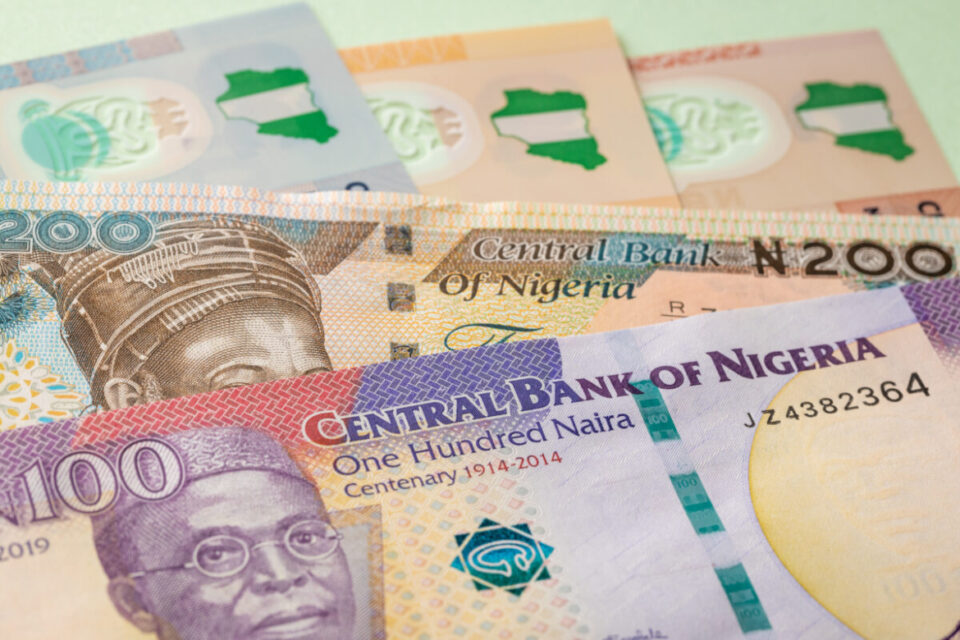
The Central Bank of Nigeria has confirmed that all Banknotes issued by them remain legal tender. The Bank invalidated cash scarcity and reassured the public that there was a sufficient stock of currency to sustain normal economic activities and warned against panic withdrawals.
The apex bank revealed this in a statement signed by its Director, of Corporate Communications, Isa AbdulMumin, and posted on its X handle on Wednesday, November 7, 2023.
This comes in response to reports of cash shortages in major cities, despite earlier assurances from the CBN about sufficient cash availability nationwide.
The statement read,
“Our attention has again been drawn to reports of a scarcity of cash across some major cities in the country despite assurances of sufficient cash stocks in all locations across the country. There have also been reports of anxiety among some members of the public over the legality or otherwise of old Naira banknotes.
“For the avoidance of doubt, while reiterating that there are sufficient banknotes across the country for all normal economic activity, we wish to state unambiguously that every banknote issued by the Central Bank of Nigeria remains legal tender and should not be rejected by anyone, as stipulated in Section 20(5) of the CBN Act, 2007.
“Accordingly, branches of the CBN across the country have been directed to continue to issue different denominations of old and redesigned banknotes in adequate quantities to deposit money banks for onward circulation to bank customers.
“We wish to restate that all denominations of banknotes issued by the Central Bank of Nigeria remain legal tender. In line with Section 20(5) of the CBN Act, 2007, no one should refuse to accept the Naira as a means of payment.
“Consequently, members of the public are advised to accept all CBN-issued banknotes currently in circulation and guard against panic withdrawals. We reaffirm that there is sufficient stock of currency notes to facilitate normal economic activities.”
Mr. Isa further advised members of the public to reduce the pressure on the use of physical cash and embrace alternative modes of payment.

